Course Description
This special event weekend was developed to go beyond the basics of vision. Featuring recently published authors and longtime vision practitioners, this event shares the knowledge needed to help you more efficiently utilize evidenced-based techniques to treat visual dysfunction no matter what your practice area.
This open discussion will talk about areas where improvements could be made to further the collaboration of therapists and optometrists.
Course Requirements:
- Computer with internet and working speakers/sound are required for this course.
- Course must be completed within 30 days of activation (activate course within 6 months of purchase).
- An online multiple-choice quiz (80% passing score) and submission of an online evaluation form are required for successful completion.
- A certificate of completion will be available to print immediately after course is successfully completed.
- SLPs - ASHA CEUs may be obtained by completing the online ASHA form and checking the "Report to ASHA" box.
Course Objectives
Upon successful completion of this course, participants will be able to:
- S1: Explain what Frames of Reference validate the treatment of vision by Occupational Therapists
- S1: Describe the 3-component model of vision that optometrists can use and incorporate that model into the OTPF-4 for assessment and treatment
- S1: Identify how Optometric Vision Therapy is different than Occupational Therapy treating the performance skill of vision
- S1: Describe how the vagus nerve and interoception awareness training can assist with visual improvement
- S1: List 2 ways in which occupational therapy and optometry can integrate treatment together when working with anyone with a visual inefficiency
- S2: Explain the term interoception and how it is part of the sensory system
- S2: Describe assessments that can be used to assess and screen for interoceptive awareness
- S2: Identify what unreliable interoception may look like and how that can impact one’s performance
- S2: Compare the various ways one’s eyes can feel and identify how that can be helpful in the diagnosis and recovery process
- S2: Identify how implementing an interoceptive-based intervention can improve visually based functional deficits
- S2: Recognize how improving interoceptive awareness can also result in additional positive benefits for patients, including regulation and executive functioning skills, through vagus nerve strategies
- S3: Describe the hierarchical skills critical for the development of visual-spatial processing
- S3: Select objective and subjective measures to support the evaluation of visual-spatial skills
- S3: Construct therapeutic activities, based on the individual client s needs, to remediate visual-spatial deficits
- S4: Describe the three parts of The Three Component Model of Vision
- S4: Identify at least two measurement tools used when assessing/screening vision function
- S4: Analyze OMAT results and determine when to refer to a neuro-optometrist
- S4: Interpret the Canadian Occupational Performance Measurement tool to report vision-related improvements related to remedial vision rehabilitation's success

Suzanne Briggs
OTD, OTR/L
Suzanne Briggs, OTD, OTR/L, earned her Doctor of Occupational Therapy degree from Salus University in 2023, along with a certification in remedial vision rehabilitation. She graduated Summa Cum Laude and received the Alumni Association Award for Top Graduate. Suzanne is a member of the American Occupational Therapy Association (AOTA) and has an interest in research related to remedial vision and acquired brain injury. She also holds a Level 2 fellowship with the Neuro-Optometric Rehabilitation Association (NORA), which promotes collaboration among multiple disciplines to achieve successful outcomes for patients with neurological diagnoses.
Suzanne developed a passion for vision rehabilitation while working with patients who have acquired brain injuries and vision limitations. This passion motivated her to further her education in remedial vision. She has developed the remedial vision program at her clinic and offers treatment in collaboration with neuro-optometrists. Her patients also benefit from her extensive knowledge of mCIT, stroke recovery, and concussion management. Suzanne has been a guest lecturer at local brain injury support groups and universities. She recently presented a course on remedial vision at the Occupational Therapy of Colorado Association annual conference in 2024, as well as at VISCON 2024 and 2025: Vision Rehab Summit. She completed research on occupational therapy-led remedial vision, which was published in the Open Journal of Occupational Therapy in October 2024. She also presented a poster about the study at several conferences, including the NORA Annual Conference in 2023, the AOTA Rehabilitation Conference in 2024, and the AOTA Inspire Annual Conference in 2024. Additionally, she presented her research at the 36th Annual Rocky Mountain Interprofessional Evidence-Based Practice Symposium in 2024.
Suzanne is the clinic director at Colorado Springs Neurological Associates (CSNA) Therapy Center, where she provides evidence-based treatments for vision deficits. She aims to further the role of occupational therapy in remedial vision through research, education, and patient care.
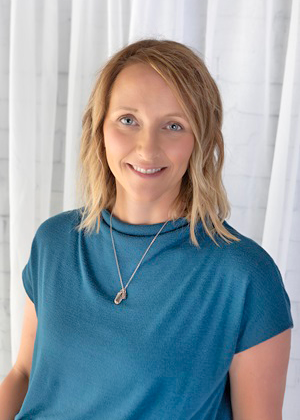
Amber Fessler
OTD, MS, OTR/L
Amber Fessler, OTD, MS, OTR/L is a pediatric occupational therapist of eighteen years residing in Rapid City, SD. She
graduated from the University of Mary with a Master of Science in Occupational Therapy in 2004 and completed her
Doctorate of Occupational Therapy with a specialty certification in Remedial Vision Rehabilitation from Salus University in
2020. Amber has a diverse clinical background in pediatrics having worked in early intervention, public school, outpatient,
and vision therapy clinic settings. Currently, she is the owner and occupational therapy practitioner of a private practice
focusing on pediatrics with learning-related vision deficits in close collaboration with optometry doctors. She is a
contributing author for book chapters in the upcoming 4th Edition of Understanding and Managing Vision Deficits: A Guide
for Occupational Therapists and published research on occupational therapy and optometry collaboration in the care of
pediatric patients in the Vision Development and Rehabilitation journal.
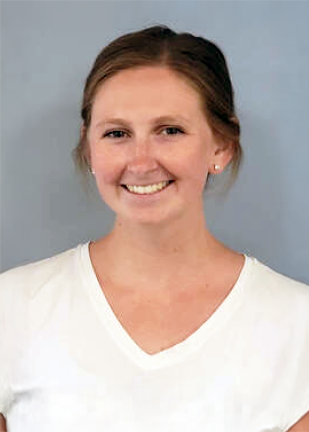
Meghan Chemidlin
OTD, MS, OTR/L
Meghan Chemidlin, OTD, MS, OTR/L, received her bachelors, masters and post professional
Doctorate degrees from Elizabethtown College. She received her clinical doctorate in both
Trauma Informed Practice and Interdisciplinary Autism Support. She primarily treats individuals
who have sustained mTBIs but also works with adults, teens and pediatrics diagnosed with ASD,
ADHD and other neurological conditions. Meghan has been integrating her passion for
interoception interventions into all populations, diagnosis and ages for several years. She is in the
process of publishing her OTD research titled: Impact of an Interoception-Based Intervention on
Self-Regulation in Adults with Mild Traumatic Brain Injuries: A Pilot Study. She is a Certified
Brain Injury Specialist, Certified Autism Spectrum Disorder Clinical Specialist and a Functional
Vision Rehabilitation Specialist. Meghan enjoys traveling to speak about and educate on
interoception and her adapted version of the interoception curriculum for several organizations,
colleges and professionals.
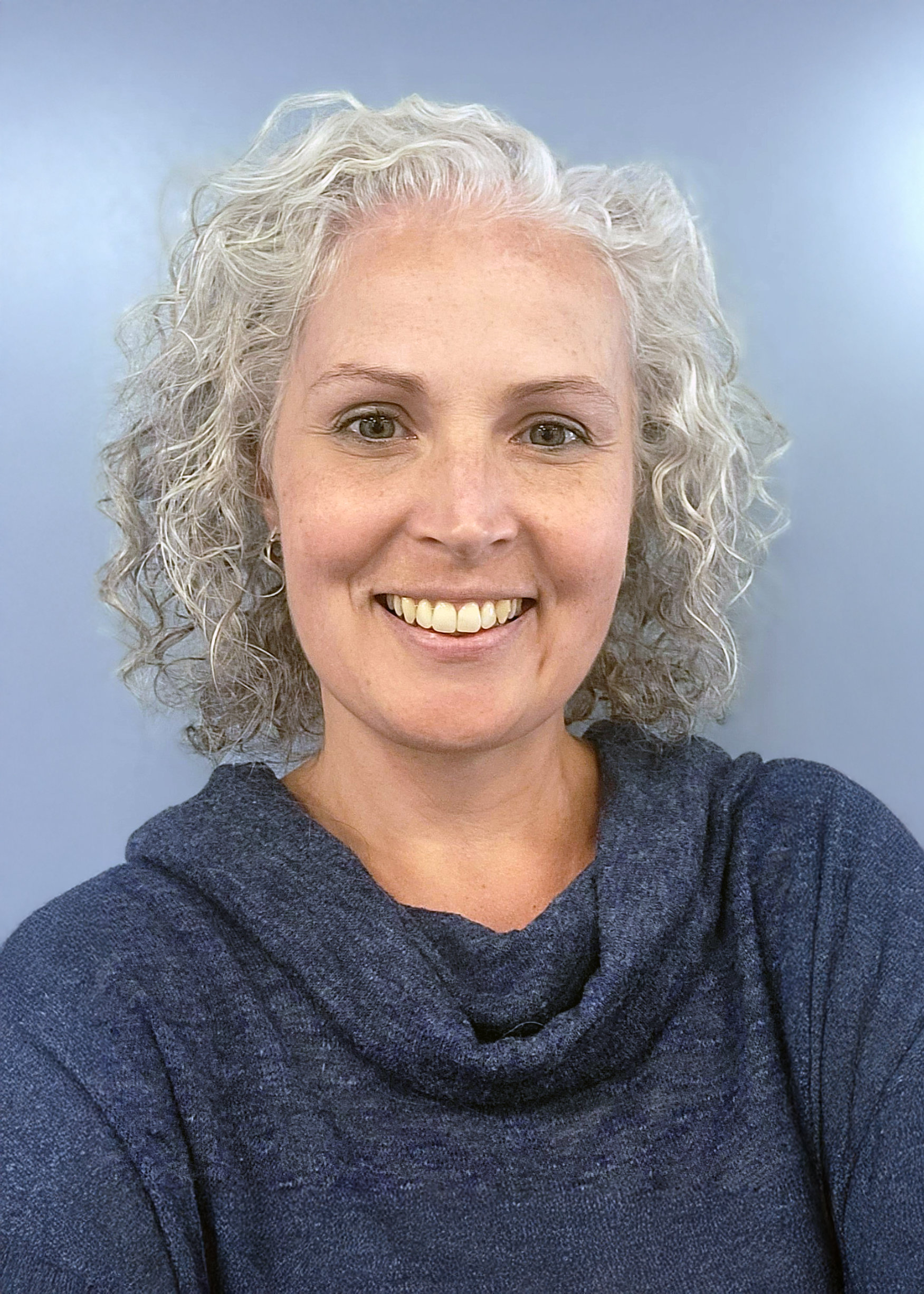
Alicia Reiser
PPOTD, MS OTR/L, ADHD-CRP
Alicia Reiser, PPOTD, MS OTR/L, ADHD-CRP graduated from Misericordia University in 2001 with her Master’s degree and found her passion shortly thereafter within the neurological population. After several years in inpatient rehab centers, she transitioned settings to outpatient where she established her love for vision and wanted to learn more. She obtained her clinical doctorate in vision remediation from Salus at Drexel University (Philadelphia College of Optometry) in 2018 and grew her private practice to treat those with concussion and other brain-based diagnoses. She works closely with optometry and uses a collaborative approach when treating visual inefficiencies, using an integrative model to improve her patient’s brain, body, function and life.
Locally, she is on the Cedar Crest College Occupational Therapy Doctorate Program Advisory Board. Her published research includes Concussion-Related Vision Disorder Practice Patterns in Occupational Therapy and Occupational Therapy Curricula Patterns for Acquired Brain Injury-Related Vision Disorders for Entry-Level Programs. Most recently, she has co-authored 2 chapters in Dr. Mitchell Scheiman’s Understanding and Managing Visual Deficits: A Guide for Occupational Therapists. Alicia is an ADHD certified rehab provider and has a special interest in those with Autism Spectrum Disorder.
Financial Disclosure: Alicia Reiser has an employment relationship with NeuroOT Consulting. She receives honoraria from CIAO Seminars for the presentation of this course and paid royalties on sale of authored books from Amazon. She is an affiliate for TruVaga Vagus Nerve Stimulator.
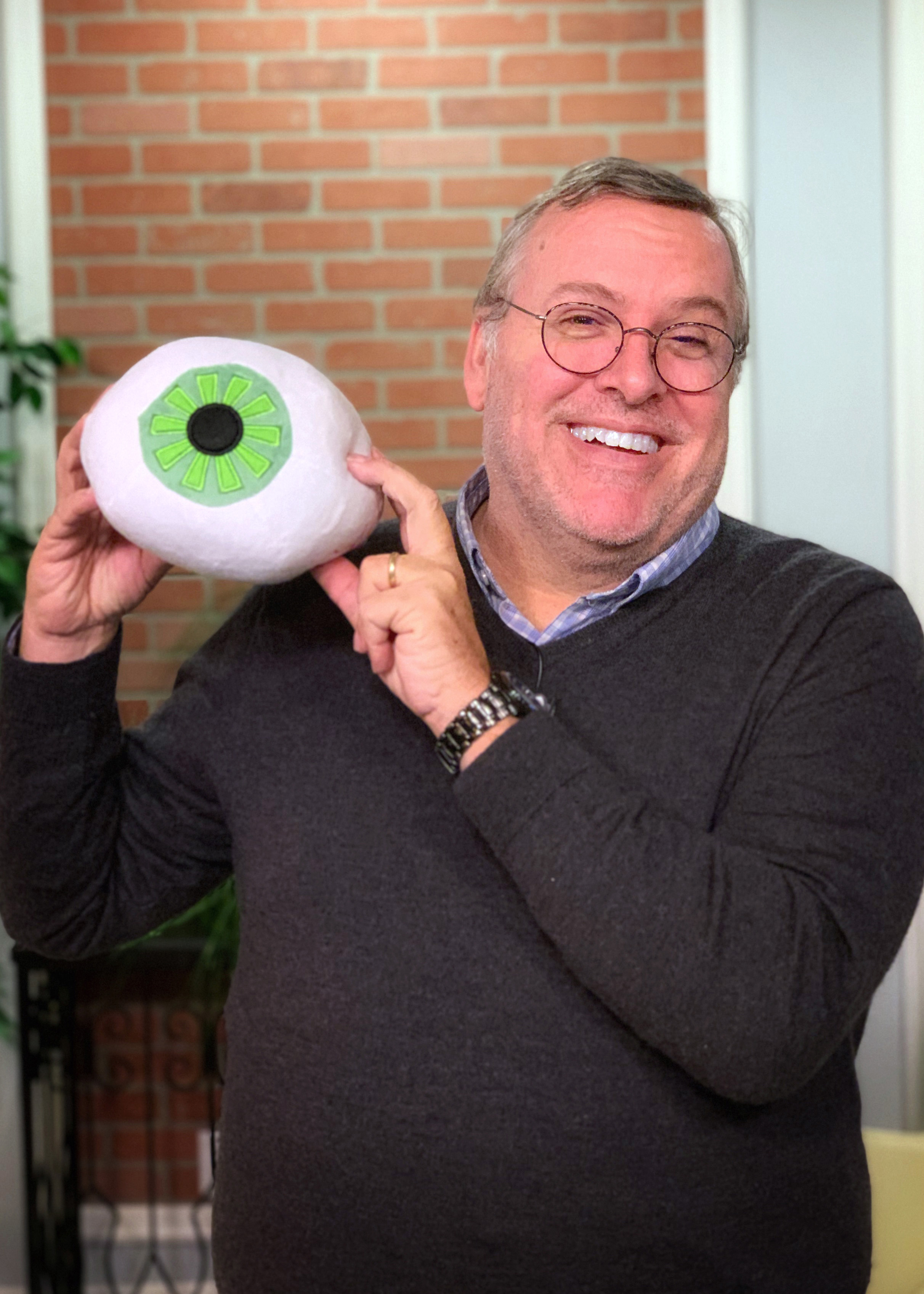
Robert Constantine
OTR\L
Robert Constantine, OTR\L is a 1997 graduate of University of Alabama at Birmingham Occupational Therapy program where he was awarded the Charles Brooks Award for Creativity. He has practiced in home health, and skilled nursing contexts and spent 9 years as the clinical specialist in brain injury at the West Florida Rehabilitation Institute where he developed a passion for evidenced-based treatment, sharing information and the functional effects of the visual system. Beginning in 2013, he enjoyed a 3 year tenure at an optometry practice where he learned techniques working closely with low vision, pediatric and adult optometrists. He has received Clinical Level 1 and 2 training offered by the Neuro-Optometric Rehab Association. He was also instructed in sports vision training working with the High Performance Vision Associates, a national group of optometrists that offer sports vision screenings to elite athletes. He developed specialized Drag Racing Glasses and has worked with NHRA Sportsman and Professional Drag Racers. He continues to provide vision rehabilitation services to pediatric and adult patients at the Pearl Nelson Center and Kindred at Home in Pensacola, Florida. Robert has been a national and international presenter for since 2016. His courses are engaging and full of personal experience and the latest evidence-based research.
Financial Disclosure: Rob receives honoraria from CIAO Seminars for the presentation of this course. Non-Financial Disclosure: None
120 Minutes
Opening Roundtable - The OT/OD Collaboration
120 Minutes
Session 1 - Using an Integrative OT/VT Model to Treat Concussion
120 Minutes
Session 2 - Interoception: Using An Interoceptive-Based Approach To Improve Vision-based Functional Deficits
120 Minutes
Session 3 - Understanding Visual Spatial Deficits for Improved Therapeutic Outcomes
120 Minutes
Session 4 - “Can You See Me Now?”: Measuring Remedial Vision Success
120 Minutes
Closing Roundtable - The Future
Delivery VIA:
- Online - This course is offered in an online, on demand format.
- Club CIAO Plus - Club CIAO Plus: This course is a stand-alone course as well as part of Club CIAO Plus, our all-you-can-eat buffet of online courses (including 1 and 2 day courses) for one low price. Club CIAO Plus Members also receive 25% off of all Live Stream courses!
Contact hours pre-approved for:
- 12 Hours
- CIAO is an AOTA Approved Provider #4119 (1.2 AOTA CEUs)
- CIAO is an AOTA Approved Provider of professional development. AOTA Course approval ID#8798
- This course meets PDU requirements for NBCOT (12 PDUs)
- CIAO is an Illinois Approved Provider for PT/PTA Continuing Education
- CIAO is recognized as an Approved Provider for PT/PTAs by the NYSE Dept State Board for PT
- This activity is provided by the Texas Board of PT Examiners Accredited Prov #2502009#TX
- This activity meets continuing competence requirements for PT/PTA license renewal in TX
- The assignment of Texas PT CCUs does not imply endorsement of specific course content, products or clinical procedures by TPTA or TBPTE
- The Physical Therapy Board of California recognizes CIAO Seminars as an Approval Agency to Approve Providers Offering Continuing Competency Courses
- The Physical Therapy Board of California has determined that CIAO meets the standards set forth in section 1399.95 of the CA Code of Regulations
- CIAO is a Rule Approved Provider for the Florida Board of Physical Therapy
- CIAO is an Approved Provider for the Florida Board of Occupational Therapy
- CIAO is a PT Approved Provider #BAP202310092 for the Oklahoma Medical Board. All PT courses for the 2022-2023 reporting period are approved.
- Approved for:
- 12 Hrs. PT/PTAs in CA, IL, OK(#BAP202310092), TX (APTA TX #2502009 for 12 CCUs)
- 14 Hrs. OT/COTAs, PT/PTAs in FL (CE Broker #20-1199500)
- 14.4 Hrs. PT/PTAs in NY
- 12 Hrs. Registered with CEBroker for OT/COTAs in AL, AZ, GA, LA, MS, SC, TN
- 12 Hrs. Registered with CEBroker for PT/PTAs in AZ, GA, OK, SC, TN

The assignment of AOTA CEUs does not imply endorsement of specific course content, products, or clinical procedures by AOTA.

CIAO Automatically reports to CE Broker for Florida Occupational and Physical Therapists and Assistants.
Florida SLPs can either use the ASHA CE Participant Form (Bubble Sheet) or self-submit through CE Broker.

CIAO is recognized on the NBCOT Provider Registry (meets PDU requirements for NBCOT)
Reviews
This is a new course, there are currently no reviews. Please check back. Thank you and have a great day, CIAO!
 ×
Home
Calendar
Courses
Club CIAO
Request A Course
VitalStim® Info
VitalStim® Registry
Products
eCourse Bundles
About Us
Our Mission
Podcasts
FAQs/Forms
Toys & Tools
Search
Contact
Login!
×
Home
Calendar
Courses
Club CIAO
Request A Course
VitalStim® Info
VitalStim® Registry
Products
eCourse Bundles
About Us
Our Mission
Podcasts
FAQs/Forms
Toys & Tools
Search
Contact
Login!